Feb 26, 2026
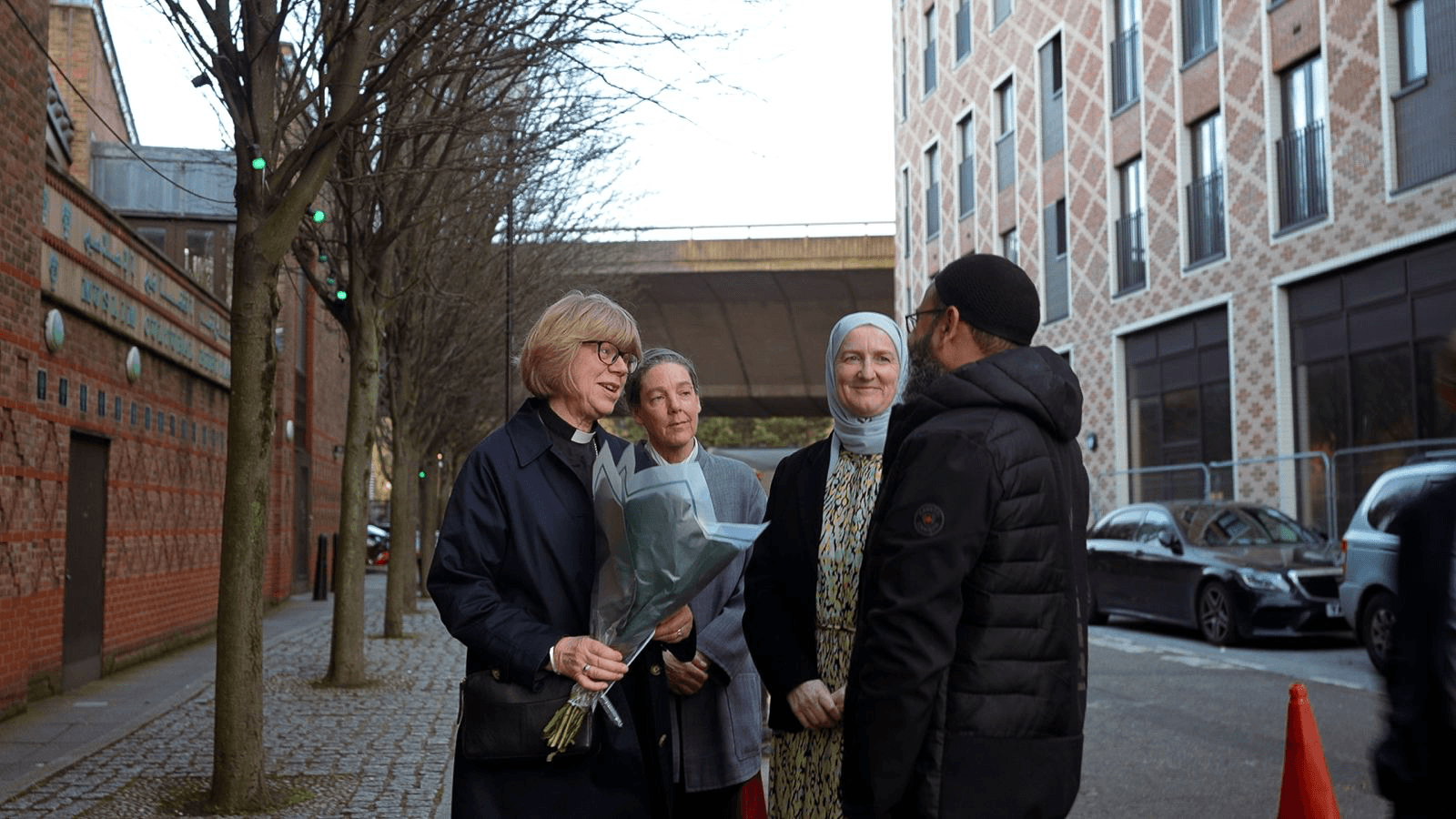
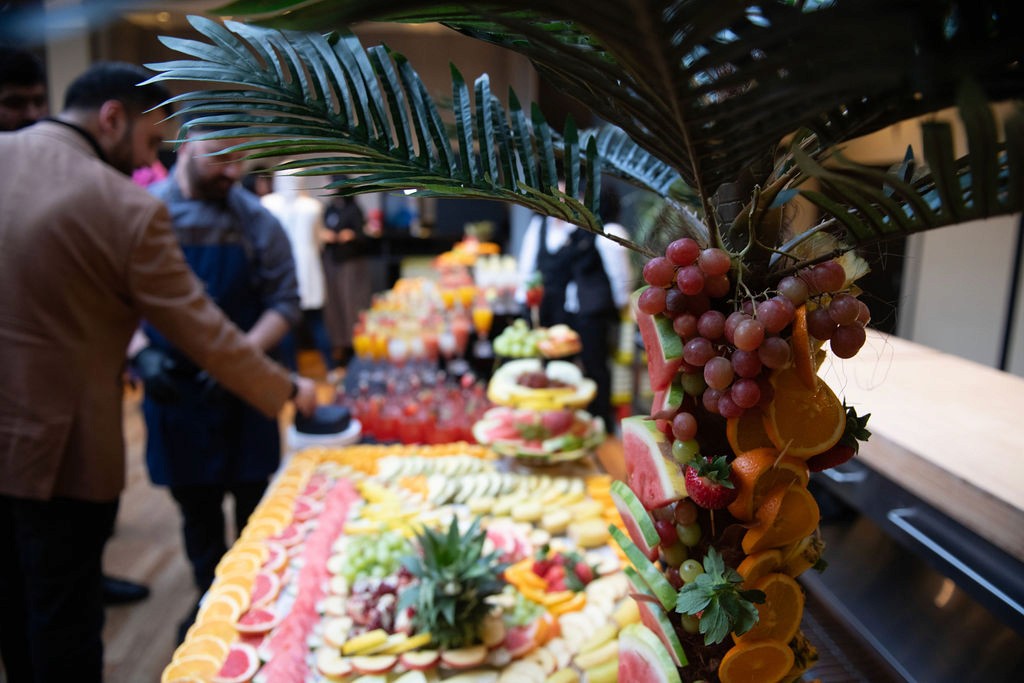
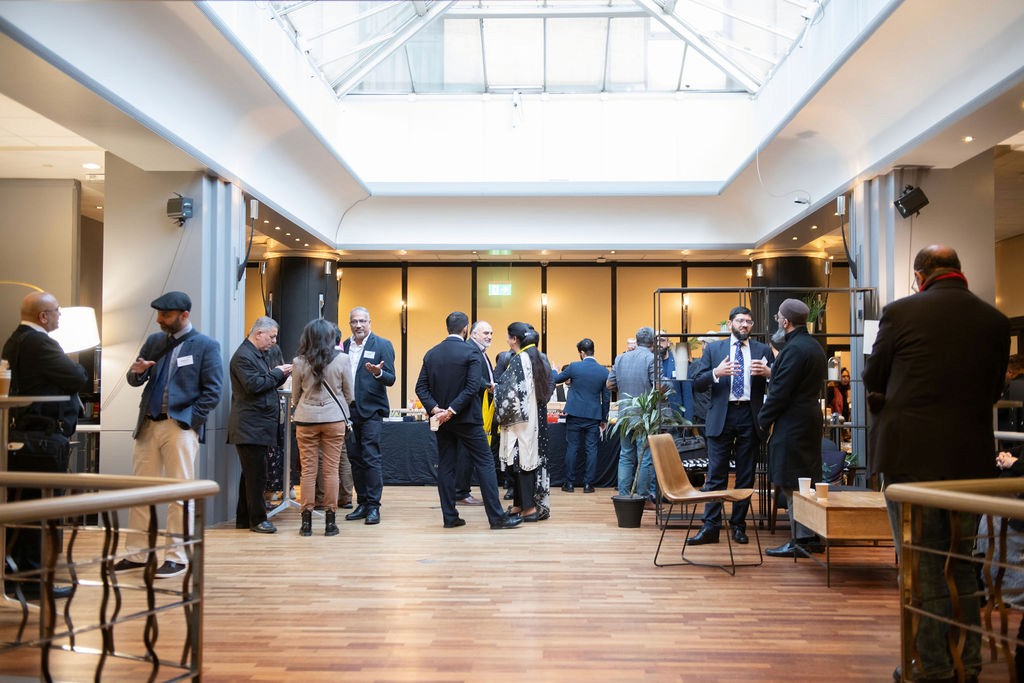
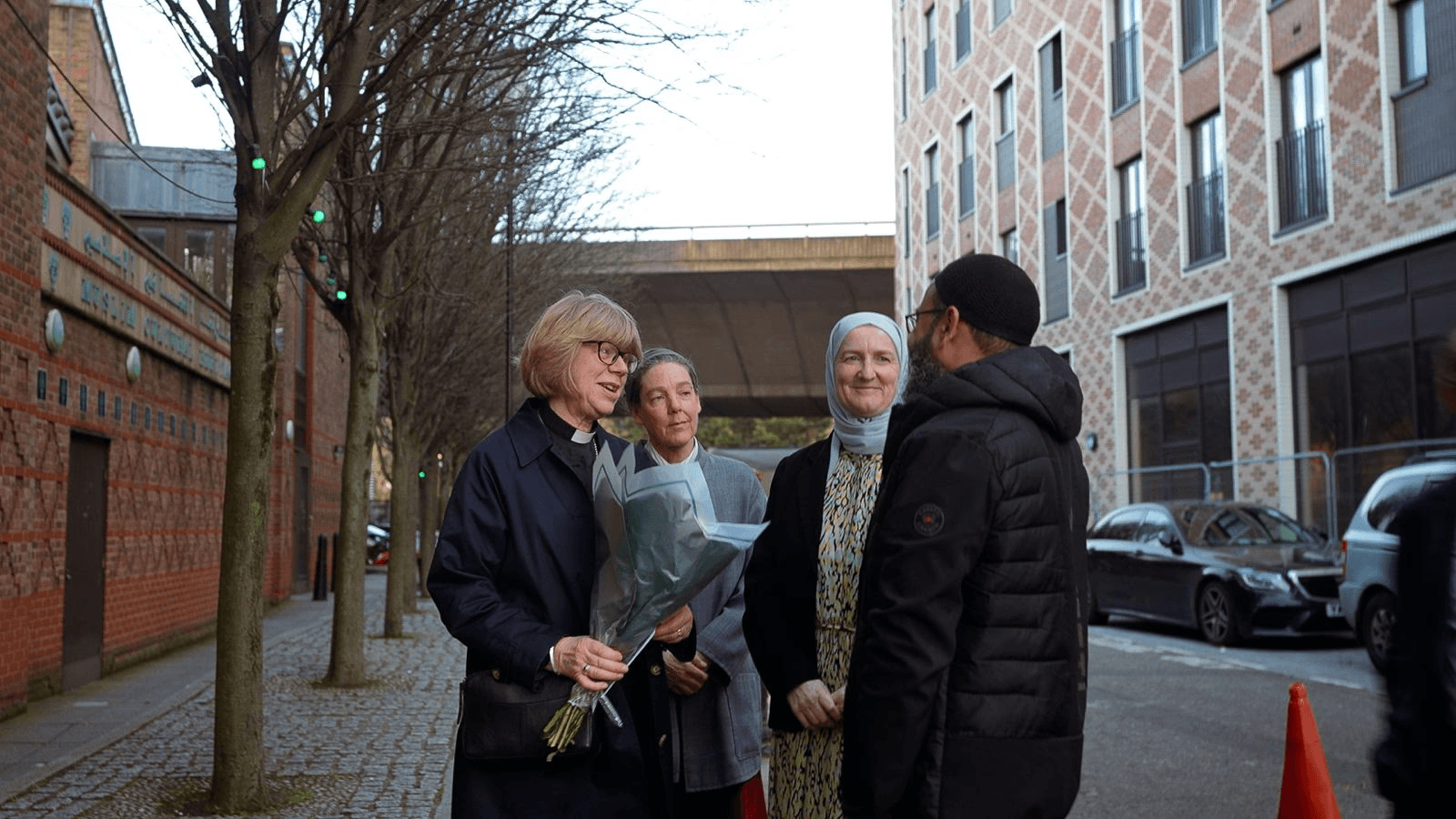
There is something quietly powerful about breaking bread, or in this case breaking the fast, across the lines that so often divide us. On the evening of 25 February 2026, that power was on full display at Al Manaar Mosque in West London, where the Archbishop of Canterbury joined more than a hundred guests around the table for what would become a defining moment in Britain's interfaith calendar. The iftar, hosted by Al Manaar and its Chief Executive Abdurrahman Sayed, was no ordinary gathering. It was the new Archbishop's first iftar since taking office and, crucially, the first held inside a mosque. For those who had spent years quietly building the case that British Muslim life belongs at the centre of national conversation rather than its margins, the significance was not lost. The room held all the textures of community. Volunteers who had served at Al Manaar for decades sat alongside local carers, members of the Grenfell community, NHS workers and faith leaders from across the capital. The local MP was present. Senior Muslim civic figures from Birmingham, Leeds and beyond had made the journey. For an organisation like The UK Muslim Network, which had been working behind the scenes to convene exactly this kind of space, the evening represented the kind of visible, meaningful moment that words in a strategy document rarely capture. Julie Siddiqi, Co-Chair of the UK Muslim Network, spoke at the event, reflecting on what the gathering meant not just symbolically but practically. "This is what we mean when we talk about cohesion," she said. "Not a policy paper. Not a panel at a conference. This. People who know each other, trust each other, and want to build something together." Farrah, a craftsperson and supporter of the Network whose handmade gift was presented to the Archbishop on the evening, described the experience as one she would not forget. "To make something with your hands and have it carry this kind of meaning, to pass it to someone in that room on that night, was an enormous honour," she said. "I felt like the work I do and the community I belong to were both being seen and valued in the same moment." The Archbishop received the gift with warmth and spoke movingly about the role of faith communities in holding society together at a time when trust in institutions has been fraying. He spoke of the importance of Muslims not just being consulted but being genuinely heard, and of events like this one as models for how that might happen. For the UK Muslim Network, the evening served as the clearest illustration yet of what the organisation exists to do. Not to replace the structures that already exist within British Muslim civic life, but to create the conditions in which Muslim voices, plural and distinct, can reach the places where decisions are made. The iftar at Al Manaar was proof of concept. As guests filed out into the cool West London evening, the feeling in the room was one of quiet momentum. Something had shifted, even if only slightly. And in the work of building bridges, sometimes slightly is everything.
There is something quietly powerful about breaking bread, or in this case breaking the fast, across the lines that so often divide us. On the evening of 25 February 2026, that power was on full display at Al Manaar Mosque in West London, where the Archbishop of Canterbury joined more than a hundred guests around the table for what would become a defining moment in Britain's interfaith calendar. The iftar, hosted by Al Manaar and its Chief Executive Abdurrahman Sayed, was no ordinary gathering. It was the new Archbishop's first iftar since taking office and, crucially, the first held inside a mosque. For those who had spent years quietly building the case that British Muslim life belongs at the centre of national conversation rather than its margins, the significance was not lost. The room held all the textures of community. Volunteers who had served at Al Manaar for decades sat alongside local carers, members of the Grenfell community, NHS workers and faith leaders from across the capital. The local MP was present. Senior Muslim civic figures from Birmingham, Leeds and beyond had made the journey. For an organisation like The UK Muslim Network, which had been working behind the scenes to convene exactly this kind of space, the evening represented the kind of visible, meaningful moment that words in a strategy document rarely capture. Julie Siddiqi, Co-Chair of the UK Muslim Network, spoke at the event, reflecting on what the gathering meant not just symbolically but practically. "This is what we mean when we talk about cohesion," she said. "Not a policy paper. Not a panel at a conference. This. People who know each other, trust each other, and want to build something together." Farrah, a craftsperson and supporter of the Network whose handmade gift was presented to the Archbishop on the evening, described the experience as one she would not forget. "To make something with your hands and have it carry this kind of meaning, to pass it to someone in that room on that night, was an enormous honour," she said. "I felt like the work I do and the community I belong to were both being seen and valued in the same moment." The Archbishop received the gift with warmth and spoke movingly about the role of faith communities in holding society together at a time when trust in institutions has been fraying. He spoke of the importance of Muslims not just being consulted but being genuinely heard, and of events like this one as models for how that might happen. For the UK Muslim Network, the evening served as the clearest illustration yet of what the organisation exists to do. Not to replace the structures that already exist within British Muslim civic life, but to create the conditions in which Muslim voices, plural and distinct, can reach the places where decisions are made. The iftar at Al Manaar was proof of concept. As guests filed out into the cool West London evening, the feeling in the room was one of quiet momentum. Something had shifted, even if only slightly. And in the work of building bridges, sometimes slightly is everything.
Read More

Stay connected. Stay informed.
Stay connected. Stay informed.
Sign up to the UKMN weekly newsletter for updates on our Impact Labs, policy work, events and opportunities across the network. No noise — just what matters.
Sign up to the UKMN weekly newsletter for updates on our Impact Labs, policy work, events and opportunities across the network. No noise — just what matters.
We respect your privacy. You can unsubscribe at any time
© 2026 UK Muslim Network. All rights reserved.
© 2026 UK Muslim Network. All rights reserved.
© 2026 UK Muslim Network. All rights reserved.